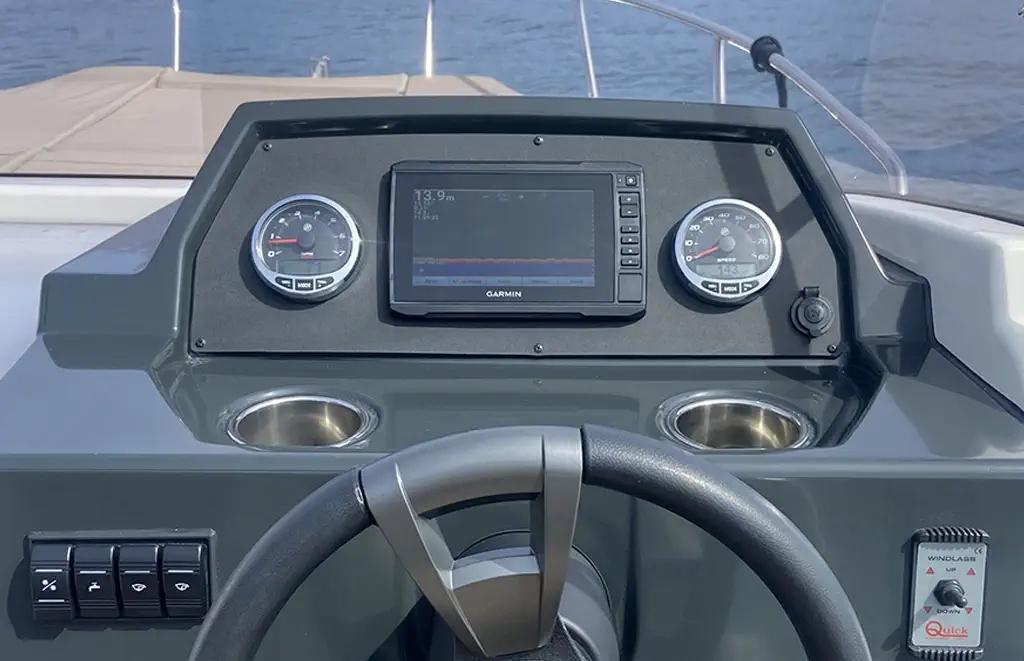
Navigating at sea is a unique experience; however, safety at sea should always be the top priority. Therefore, proper planning, correct use of safety equipment, and respect for maritime regulations are essential to ensure a safe and enjoyable boat trip.
In this guide, we explain the fundamental aspects of safety at sea, especially for recreational outings and boat rentals, both with and without a skipper.
1. Safety at Sea Before Setting Off
Safety starts before stepping on board. A proper pre-departure check helps prevent most incidents.
Basic aspects to check:
- Overall condition of the boat
- Sufficient fuel level for the planned route
- Proper functioning of the engine and steering
- Anchoring equipment in good condition
- Number of people on board within the permitted limit
In addition, it is essential to inform all passengers about basic onboard behavior rules and the safe areas of the boat.
2. Mandatory Boat Safety Equipment
Every boat must be equipped with the safety gear required by maritime regulations. This equipment is essential to ensure the safety of both passengers and the vessel.
Basic equipment:
- Approved life jackets for all passengers
- Certified fire extinguisher
- Sound and visual signaling devices
- Basic first-aid kit
- Mobile phone or VHF radio
On rental boats, this equipment is usually included, but it is always recommended to check it before departure.
3. Importance of the Weather Forecast for Safety at Sea
Recommendations:
- Check the official weather forecast before departure
- Pay close attention to easterly winds and sea conditions
- Avoid going out if storms or poor visibility are forecast
For this reason, checking the weather forecast before departure is one of the most important safety decisions.
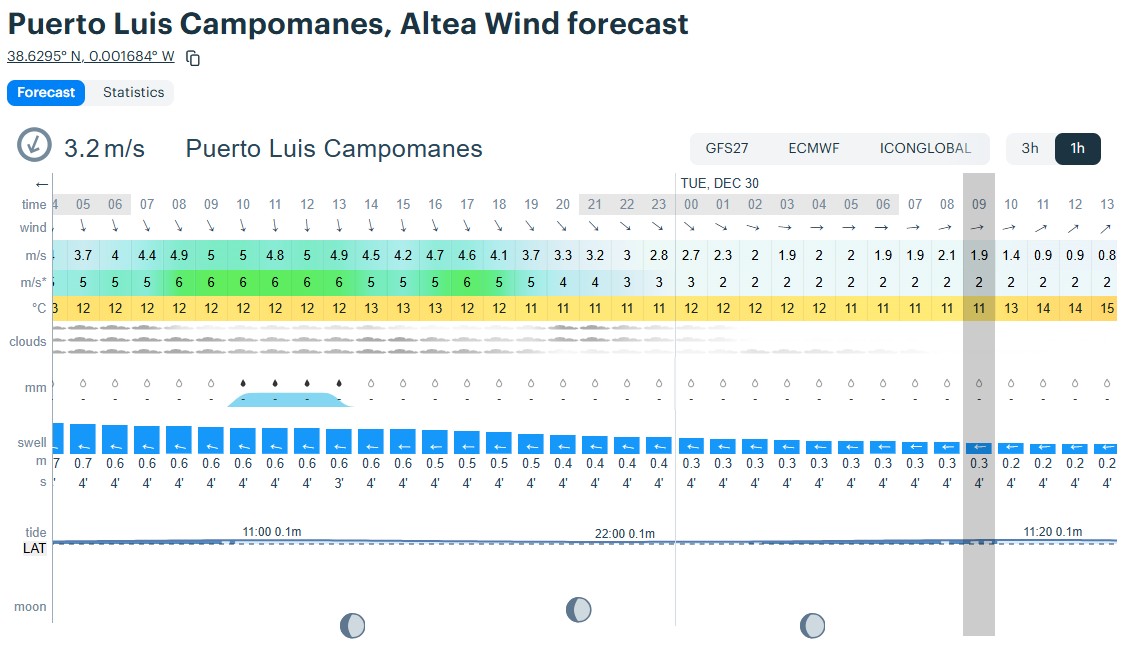
You can consult reliable information from WINDY weather forecast.
4. Navigation Rules and Speed Limits Near the Coast
Respecting maritime regulations is essential for safety at sea and to avoid fines.
Key points:
- Keep a safe distance from swimmers and buoyed areas
- Reduce speed near the coast and inside harbors
- Respect right-of-way rules
- Do not anchor in protected areas or Posidonia seagrass meadows
Responsible navigation protects both people and the marine environment.
5. Safety at Sea During Anchoring and Swimming
Anchoring is one of the most common moments during a boat trip, but it also requires attention.
Practical tips:
- Check water depth before anchoring
- Secure the anchor properly
- Turn off the engine while swimming
- Always supervise children
- Avoid areas with strong currents or heavy maritime traffic
These measures ensure a safe and relaxed experience.
6. Final Boat Safety Recommendations
Finally, to enjoy the sea with peace of mind, it is essential to adopt responsible habits on board at all times.
- Do not consume alcohol while navigating
- Use sun protection and stay properly hydrated
- Keep the boat tidy and organized
- Stay calm and act responsibly in case of any unexpected situation
As a result, maintaining a responsible attitude on board is key to ensuring safe navigation.
Safe navigation is the foundation for fully enjoying any boat trip. With proper planning, the right equipment, and respect for regulations, navigating along the Costa Blanca becomes a safe and memorable experience.
If you want to enjoy the sea with complete confidence, always choose well-maintained boats and professional guidance.
👉 Discover our rental options and navigate safely with Mawi Boats.