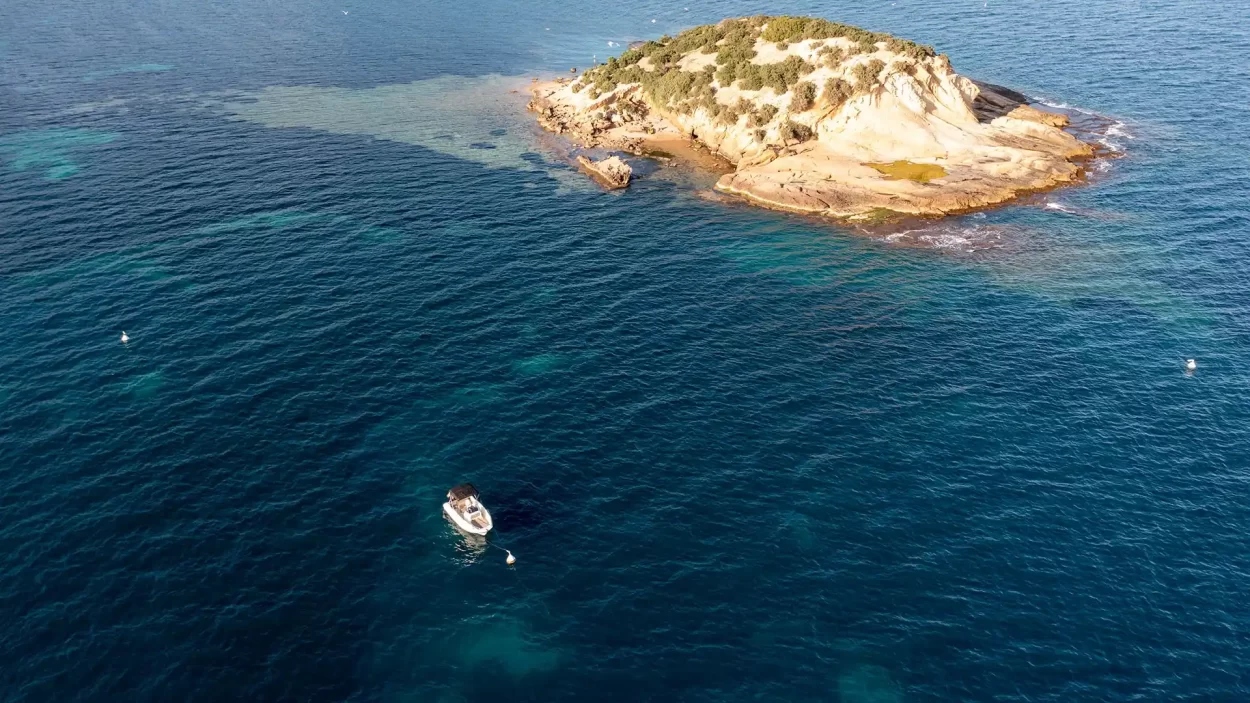
Responsible anchoring in Costa Blanca is essential to preserve marine ecosystems. Anchoring in crystal-clear coves is one of the most valued experiences when boating along the Costa Blanca. However, this privilege comes with a direct responsibility: protecting Posidonia oceanica, the marine ecosystem that ensures water clarity, biodiversity, and the stability of the Mediterranean coastline.
Improper anchoring is one of the main causes of seabed degradation in the Mediterranean. For this reason, understanding current regulations, planning your route in advance, and applying correct anchoring techniques are essential to enjoy the sea without causing environmental damage.
In this guide, you will learn how to anchor responsibly in the Costa Blanca, complying with regulations and protecting Posidonia, with particular focus on Altea and its surroundings, following the same best practices we promote on every outing from Mawi Boats.
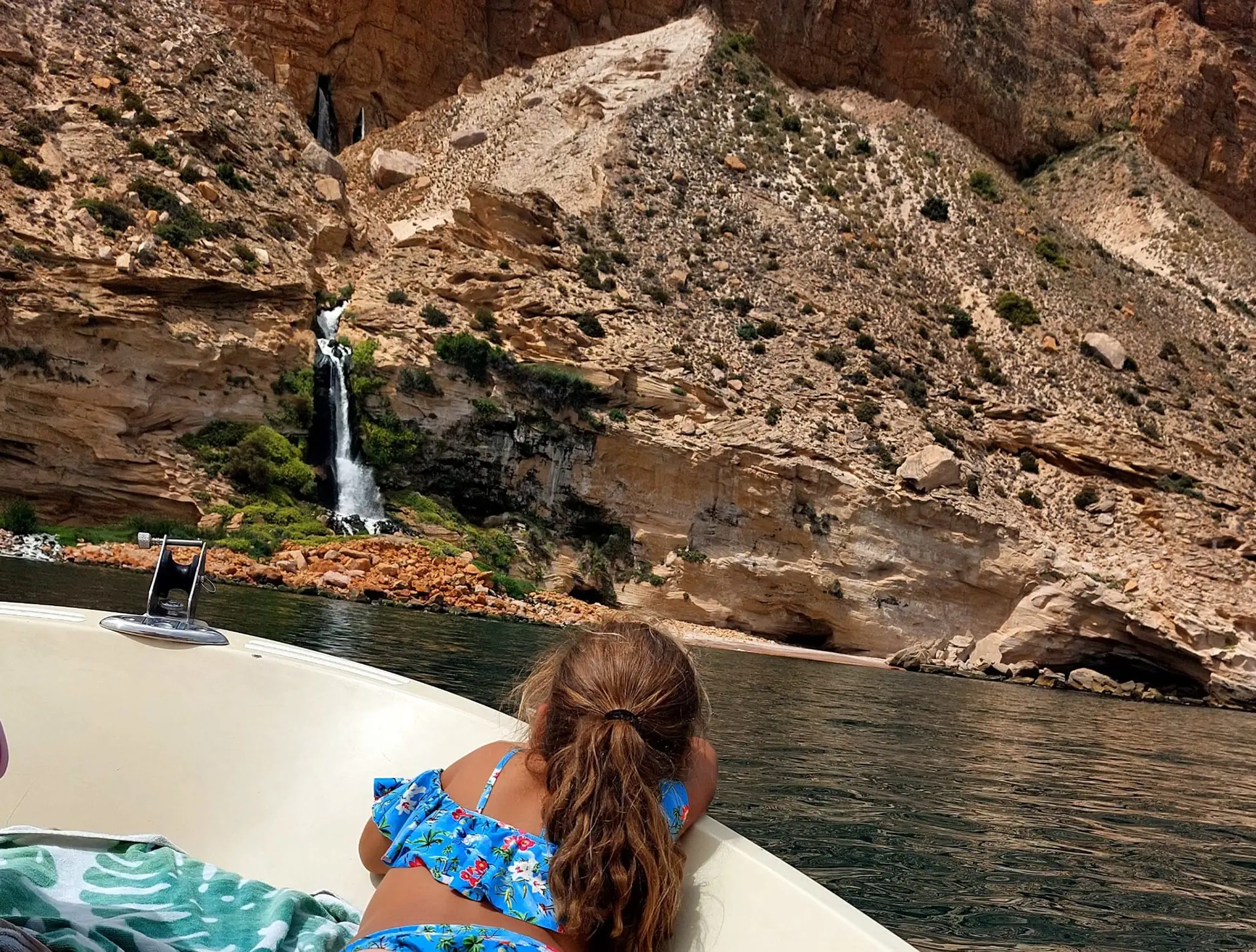
1. Why Responsible Anchoring in Costa Blanca Matters for Posidonia
Posidonia oceanica is a flowering marine plant found exclusively in the Mediterranean Sea. It forms extensive underwater meadows that are considered one of the most important and fragile ecosystems along the Spanish coastline.
An Extremely Slow-Growing Organism
Posidonia grows only 1 to 2 centimetres per year. Many existing meadows are thousands of years old. When an anchor tears them out, the damage occurs in seconds, while natural regeneration is virtually impossible.
The loss of Posidonia triggers seabed erosion processes that affect beaches, coves, and marine biodiversity for decades.
Why Posidonia Is Irreplaceable
Protecting Posidonia is essential because it:
- Produces large amounts of oxygen
- Stabilises sediments and protects beaches from erosion
- Provides shelter and breeding grounds for numerous marine species
- Maintains water clarity and acts as an indicator of environmental quality
2. Responsible Anchoring Costa Blanca: Current Regulations
The Valencian regional government has established specific regulations to protect Posidonia meadows and marine seabeds. Compliance is mandatory for all recreational vessels navigating along the Alicante coastline.
Regulated Anchoring Areas in the Costa Blanca
The Costa Blanca is a long and diverse coastline, but responsible navigation requires knowing which areas are subject to specific anchoring restrictions, especially near your departure point.
From Mawi Boats, based at Puerto Deportivo Luis Campomanes – Marina Greenwich (Altea), we recommend paying close attention to regulated areas located within a reasonable cruising distance from the marina.
In certain areas of the Costa Blanca, anchoring is strictly regulated to protect Posidonia oceanica. In these zones, anchoring with an anchor is not allowed, as direct contact with the seabed causes irreversible damage to underwater meadows.
Instead, regulations require vessels to moor to ecological mooring buoys, specifically designed to prevent any impact on the seabed and ensure the conservation of these environments.
Main Responsible Anchoring Areas Accessible from Mawi Boats
Among the most relevant regulated anchoring areas in the Costa Blanca, accessible from Campomanes Marina Greenwich, are:
- Isla de la Olla (Altea), one of the most representative regulated anchoring areas in northern Alicante
- Mascarat area, south of Altea, with specific environmental protection measures
- Cala Granadella (Jávea), a high-value natural environment with strictly controlled anchoring
- Several coves in the municipality of Moraira, where anchoring control measures using ecological buoys have been implemented
- Illeta Mitjana, off Morret Negret, an environmentally sensitive area with Posidonia presence
- Cala de la Mina, within the Serra Gelada Natural Park, where anchoring with an anchor is prohibited
Before anchoring, it is essential to check the specific regulations applicable to each area, as restrictions may vary depending on the time of year and conservation status. To plan correctly and identify regulated zones accurately, we recommend using the official Posidonia map viewer provided by the Valencian Government.
Free Anchoring Areas
Traditional anchoring is only permitted on clean sandy seabeds, free of marine vegetation. Examples can be found:
- In specific areas off Calpe beach, near the harbour
- At certain points off the beaches of Moraira and El Albir
The responsibility for verifying seabed type always lies with the skipper.
3. Responsible Anchoring Costa Blanca: Altea & Surroundings
Altea and its immediate surroundings include some of the most environmentally sensitive areas of the Costa Blanca, such as Isla de la Olla, Mascarat, and the marine area of the Serra Gelada Natural Park.
At Mawi Boats, this guidance is included in our pre-departure service from Altea, helping you plan safe and responsible routes along the coast and discover the best coves to anchor in Altea.
You can explore our boat routes around Altea to navigate the area with full awareness of environmental regulations.
4. Tools for Responsible Anchoring in Costa Blanca
Proper planning is the foundation of responsible anchoring. The Posidonia Maps application, developed by the Valencian Government, allows you to consult:
- Posidonia meadows
- Regulated anchoring zones
- Areas where anchoring is prohibited
This tool is essential for navigating safely and complying with environmental regulations throughout the Costa Blanca.
5. Step-by-Step: Responsible Anchoring in Costa Blanca
Before Anchoring
- Consult official maps
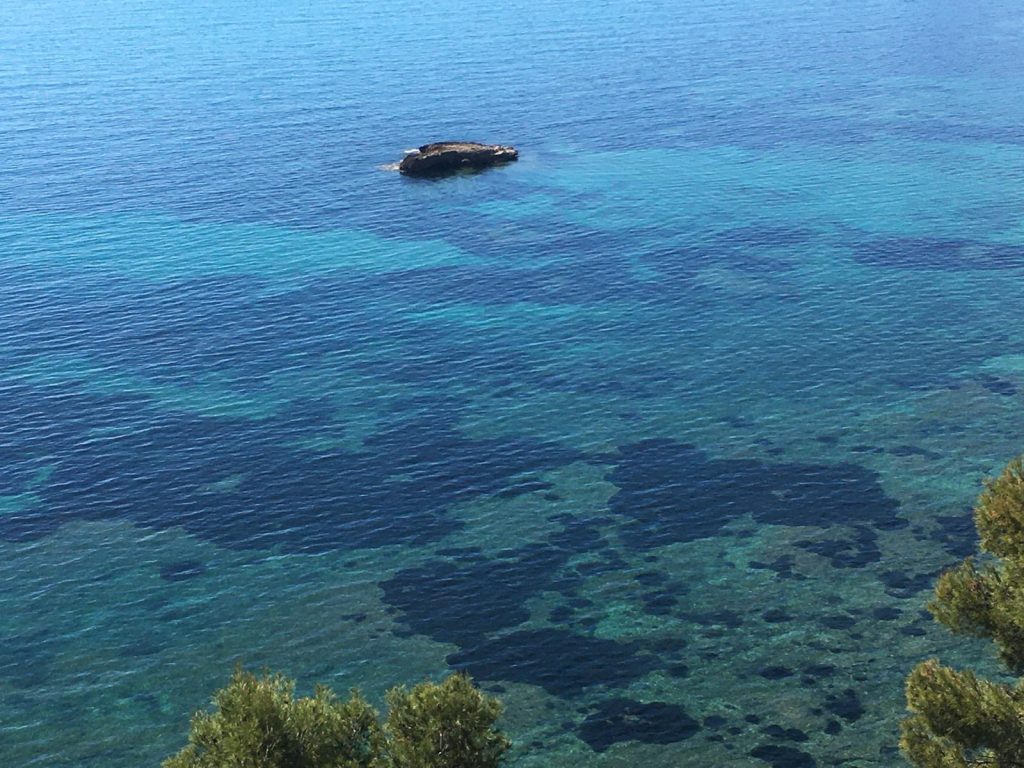
- Visually identify light-coloured sandy areas
- Avoid dark patches characteristic of Posidonia
- Confirm depth and seabed type using the sounder
During Anchoring
- Position the bow into the wind or current
- Lower the anchor gently
- Pay out chain at 3 to 4 times the water depth
- Reverse slowly to ensure the anchor sets properly
After Anchoring
Whenever possible, perform a visual check using snorkelling goggles. If the anchor is resting on or too close to Posidonia, it must be lifted immediately and the vessel relocated.
6. Nautical Safety and Regulated Distances
Regulations establish a minimum distance of 200 metres from the coastline, whether or not it is marked as a bathing area. This rule protects swimmers and reduces risks to vessels.
You can find more information in our marine safety guide.
7. Consequences of Illegal Anchoring
Illegal anchoring on Posidonia can result in significant financial penalties and liability for environmental damage.
Beyond fines, the ecological impact is irreversible: loss of biodiversity, seabed erosion, and deterioration of water quality.
Sailing Today to Protect Tomorrow
Practicing responsible anchoring in Costa Blanca ensures that future generations can enjoy the same crystal-clear waters.
At Mawi Boats, we offer Quicksilver boats in excellent condition and up-to-date guidance before every departure. Explore our fleet available in Altea and plan your navigation with confidence, safety, and respect for the marine environment. perfecto estado y asesoramiento actualizado antes de cada salida.