Boating along the Costa Blanca is a unique experience, but it requires basic knowledge to navigate safely and confidently. In this article, we share practical boating tips designed for both beginners and more experienced boaters. Learning how to handle a boat depending on wind, sea conditions, or when entering and leaving a harbor will help you enjoy the sea more and avoid common mistakes while navigating.
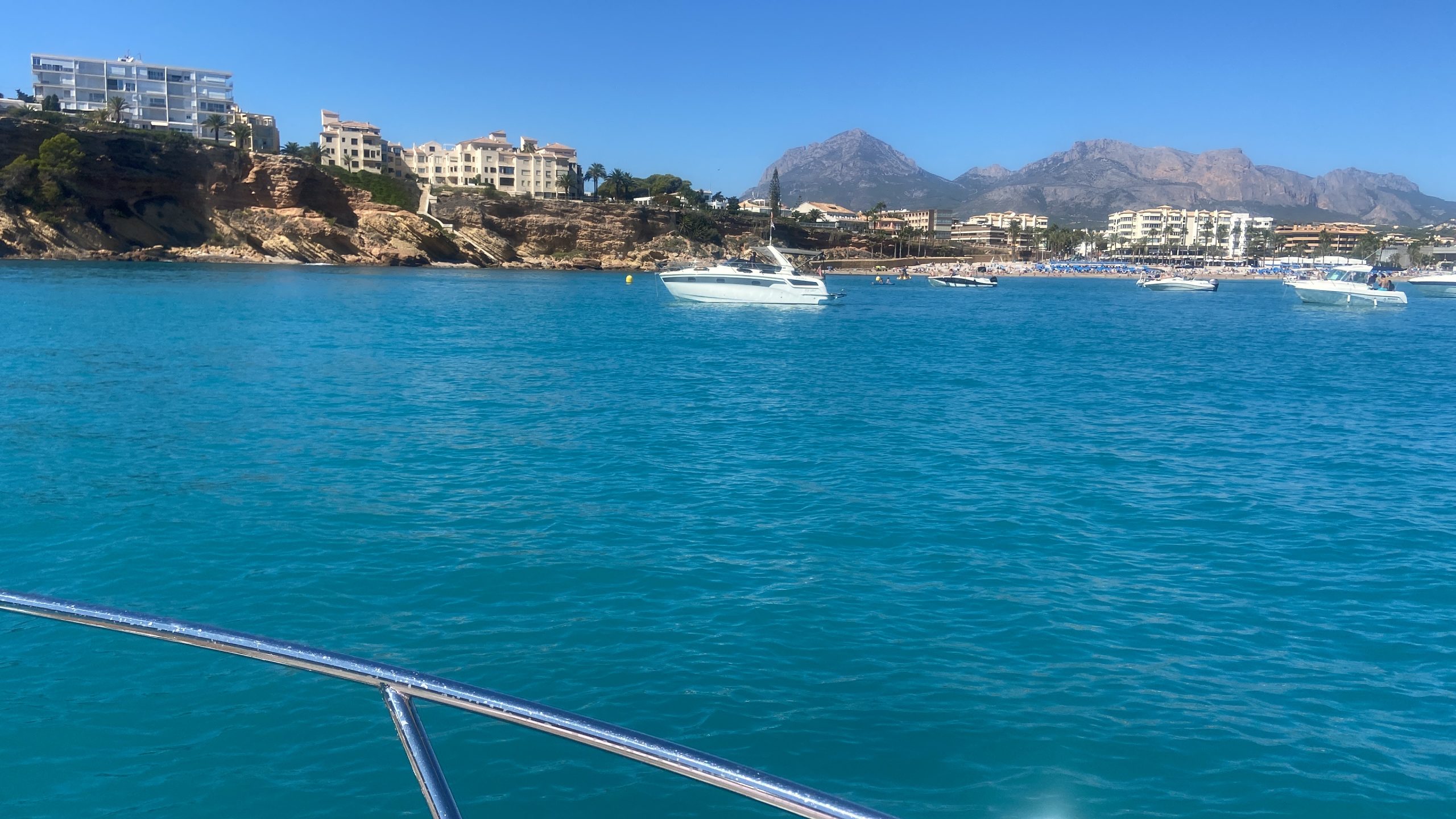
1. Boating Tips Before Heading Out
Before setting off, take a few minutes to familiarize yourself with the boat:
- Check the engine and steering controls
- Identify the location of life jackets and safety equipment
- Check fuel and battery levels
- Secure loose objects on deck
Knowing where everything is and how your boat responds will help you react quickly if an unexpected situation arises.
2. Adjust Speed According to Sea Conditions
Speed is key to comfortable and safe navigation:
- Calm seas: moderate speed to save fuel
- Light waves: reduce speed to avoid hard impacts
- Easterly winds or slight swell: proceed carefully and maintain control
Remember that proper speed improves boat stability and reduces the risk of losing control, especially near the coast or in areas with maritime traffic.
3. Boating Tips for Wind and Waves
Understanding wind and wave conditions will help you get the most out of your trips:
- Easterly winds usually blow from the east and can increase wave height
- A sea surface with foam or white crests indicates strong wind
- Navigating with side winds requires constant attention to steering and boat balance
Observing sea conditions before departure allows you to adapt your route and speed to changing conditions.
To properly plan wind and sea conditions, consult the official WINDY weather forecast.
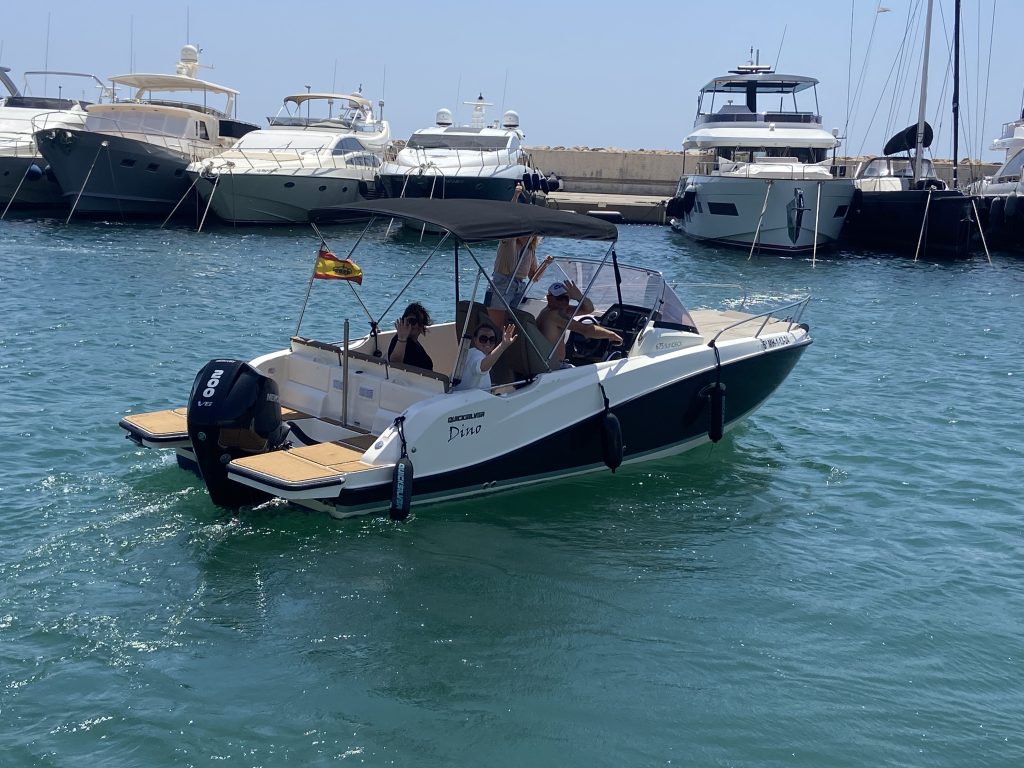
4. Basic Harbor Maneuvers
Entering and leaving a harbor are critical moments during navigation:
- Speed reduction: approach the harbor slowly
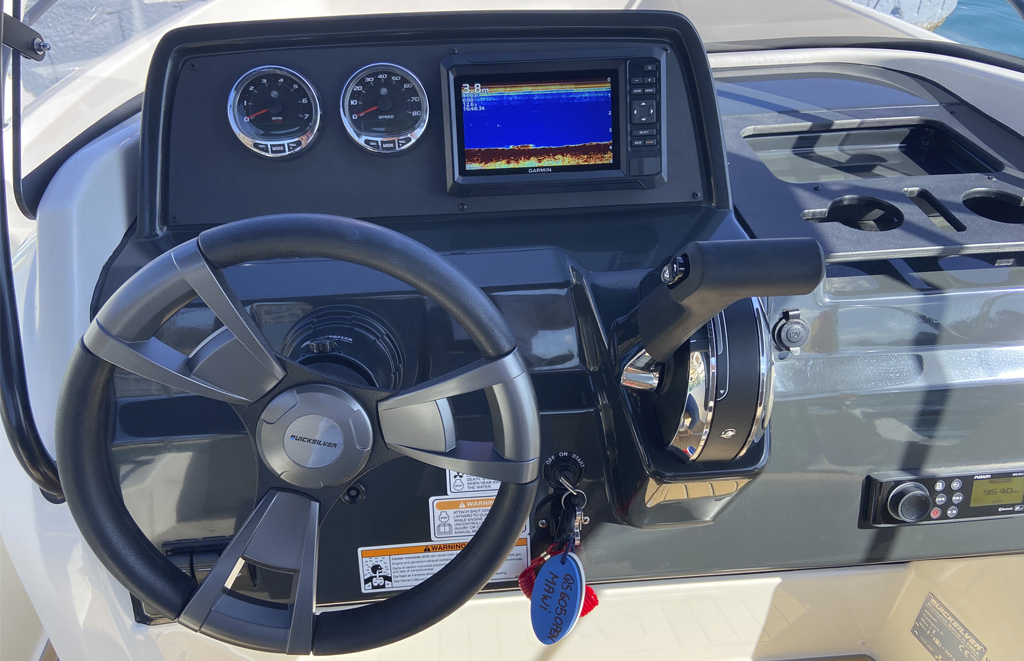
- Engine control: on motorboats, apply smooth and precise movements
- Traffic awareness: keep a safe distance from other boats and port markers
- Depth awareness: in shallow areas, move slowly and watch the seabed
Practicing basic maneuvers builds confidence and minimizes risks in confined spaces.
5. Boating Tips: Always Plan and Follow a Clear, Updated Route
Having a planned route (such as those suggested in our boat routes in Altea and the Costa Blanca helps you anticipate wind changes and reduces the risk of disorientation:
- Set reference points on the GPS or depth sounder
- Identify coves, rocks, and anchoring areas using nautical charts or from shore
- Adjust the route according to weather and sea conditions
Keeping a visible and up-to-date route allows you to anticipate changes in wind or currents. Another useful practice is preparing a voyage plan before departure, as recommended by maritime safety authorities.
6. Communication and Distress Signals
Staying connected is essential:
- Always carry a mobile phone with a fully charged battery
- Use a VHF radio, if available, to communicate with other boats or the harbor
- Know sound and light signals used to indicate position or emergency
Knowing how to communicate a dangerous situation or request assistance can be crucial in unexpected circumstances.
Applying basic boating tips will make you more confident and safer at the helm of your boat. Understanding your vessel, adjusting navigation to wind and sea conditions, performing harbor maneuvers correctly, and planning your route all contribute to a calmer and more enjoyable boating experience along the Costa Blanca.
If you need support or personalized guidance, Mawi Boats can advise you and provide resources to help you navigate safely and confidently on every trip.